

THE ∑-DOCTOR


AI-Enhanced Mental Health Solution
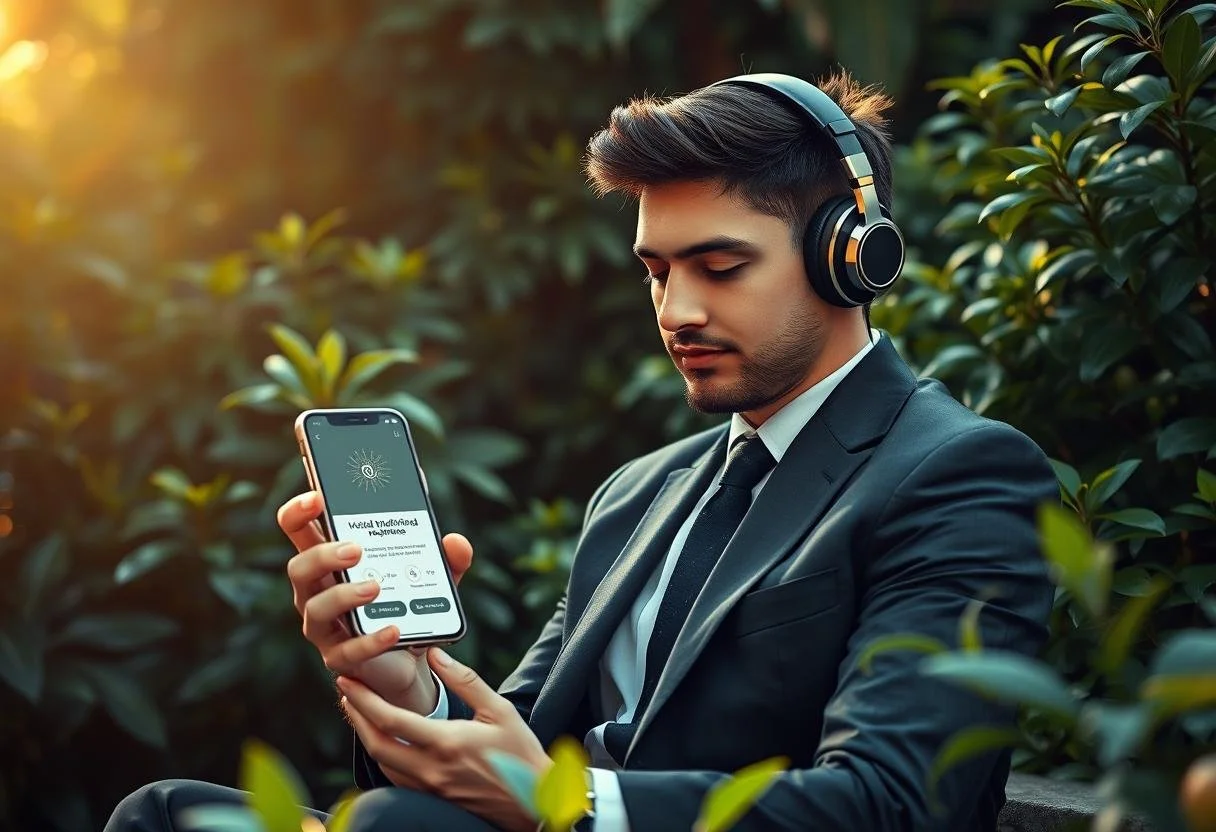
RhinoFA Group's ∑-Doctor(AI-Enhanced Mental Health Solution) is a transformative leap forward in using Brain-Computer Interface (BCI) technology combined with Artificial Intelligence (AI) to support mental well-being across various industries. By monitoring brain activity in real-time and offering AI-driven insights, the solution provides personalized recommendations, allowing industries to proactively manage stress, cognitive load, and mental fatigue. This product is not merely an enhancement to existing mental health tools, but a complete transformation in how industries—from aviation to healthcare and construction—can understand, assess, and improve the mental well-being of their workforce.
How The AI-Enhanced Mental Health Solution Works
Brain-Computer Interface (BCI)
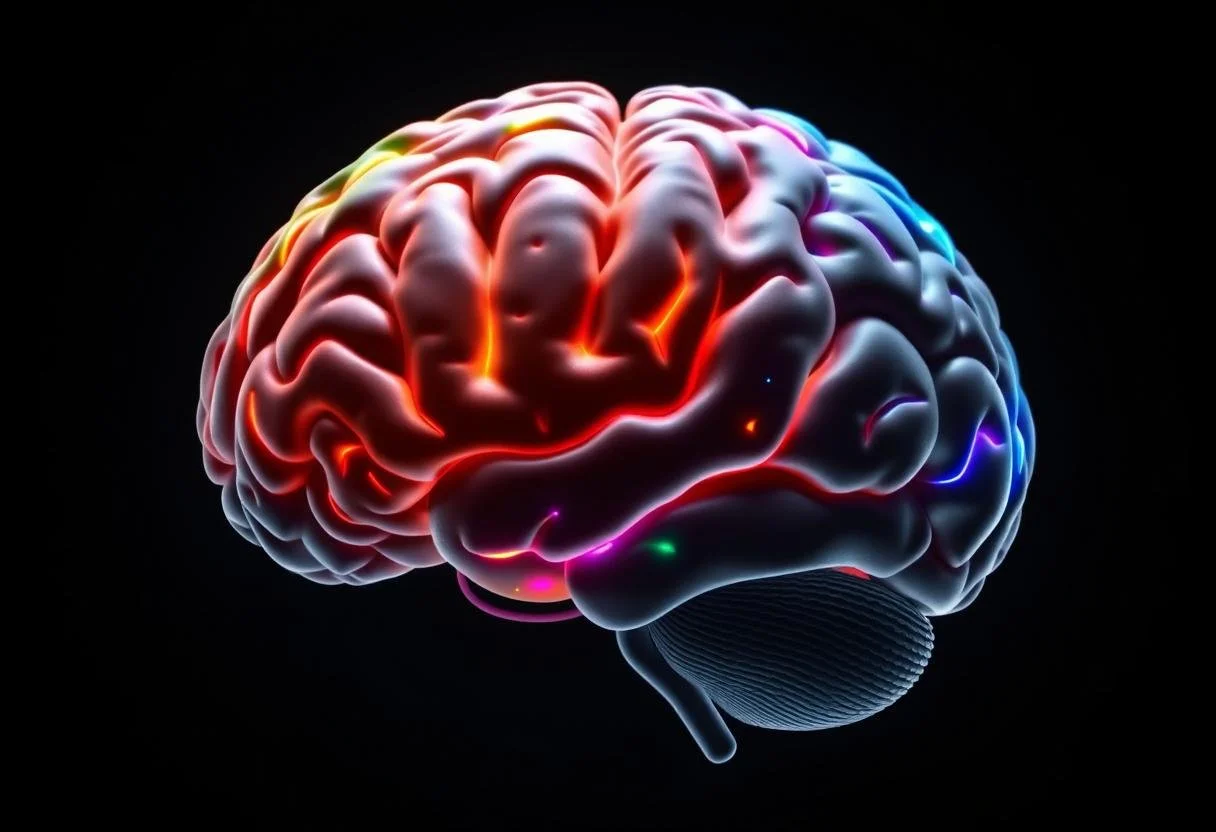
A technology that records brain signals, translating them into actionable data on the user’s mental state—including stress levels, cognitive strain, fatigue, and emotional well-being.
Artificial Intelligence (AI)
Once the BCI collects data, AI processes it to identify patterns, offering personalized recommendations such as stress-relief exercises, breaks, or cognitive recalibration strategies to optimize mental health in real-time.

Closed-Loop Systems (Write-Back)
In addition to offering actionable insights, what sets this solution apart is its ability to “write data back” into the brain. By using subtle neural stimulation techniques, the system could help the user make decisions, reduce stress, or balance cognitive load automatically, eliminating the need for direct interaction with a device. This seamless, non-intrusive method ensures that users can perform complex tasks without the mental strain typically associated with high-pressure environments.
Full Capabilities of the AI-Enhanced Mental Health System
-
The system continuously tracks brain activity to identify cognitive overload, stress, fatigue, and emotional states.
-
AI analyzes brain activity and personal work patterns to provide insights tailored to the individual’s mental and emotional needs.
-
The system sends information back to the brain to influence decision-making, attention, and stress levels without the need for manual interaction.
-
The system interacts with the physical environment to adjust lighting, sound, temperature, and ergonomics for optimal mental performance.
-
The system provides users with data-driven recommendations based on their mental health trends, ensuring timely intervention and long-term mental well-being.
-
Tailored solutions are available for various sectors, ensuring that mental health support is relevant to specific high-stakes environments.
-
The system promotes teamwork by recommending when to seek support from colleagues or peers during mentally demanding tasks.
-
All brain activity data and mental health insights are securely managed, respecting privacy and ethical considerations.
Data Security
Robust security measures protect mental health data, ensuring confidentiality and preventing unauthorized access (RBAC System).
Privacy Controls
Individuals have control over their data, allowing them to decide how their information is used and shared.
Ethical Use
The AI system operates within ethical guidelines, ensuring data is used only for the individual's well-being.
Personalized Stress Management Techniques
Mindfulness Exercises
Based on detected stress levels, the system can recommend mindfulness or breathing exercises that help the individual relax and reduce stress. These might include deep-breathing techniques, short meditation sessions, or guided visualizations.
Break Reminders
The system can suggest short, strategic breaks when it detects signs of mental fatigue or cognitive overload. These breaks could be structured, such as 5-minute intervals of relaxation, or involve stretching and movement to refresh the mind and body.
Workload Adjustments
In high-stress work environments, the system might recommend delegating tasks or pacing work in a way that reduces the individual's mental load, ensuring they can complete tasks without cognitive burnout.
Cognitive Performance Enhancement
Focus Boosters
For tasks requiring sustained attention, the system can recommend ways to improve concentration, such as focusing on one task at a time, reducing distractions, or using neurostimulation techniques that can help enhance cognitive focus.
Task Prioritization
Based on cognitive fatigue or mental load, the AI system can recommend reordering tasks to allow for less mentally demanding tasks to be performed during times of higher fatigue, preserving focus for critical moments.
Optimal Sleep Recommendations
By tracking patterns in cognitive performance, the system can provide personalized advice on optimizing sleep cycles, ensuring the brain is fully rested and ready for the next task.
Emotional State Regulation
Mood Management
If the system detects emotional imbalances (e.g., stress, anxiety, or frustration), it can recommend mood-enhancing activities like listening to calming music, engaging in light physical activity, or taking time for hobbies that help relieve stress.
Emotional Response Control
In high-pressure environments, AI can recommend emotion regulation strategies that guide individuals to respond more calmly and effectively to challenging situations. This can include real-time feedback on emotional responses, helping individuals remain composed during intense scenarios.

Neurostimulation and Cognitive Calibration
Neurofeedback Training
The BCI system can engage in neurofeedback techniques that allow users to learn how to self-regulate their brain activity for improved focus and relaxation. This could involve visual or auditory cues that help the brain enter a desired state of concentration or relaxation.
Real-Time Cognitive Calibration
The system can automatically adjust neurostimulation to keep the individual’s cognitive state within optimal ranges. This means maintaining high levels of concentration when needed or reducing anxiety when it starts to rise.
Write-Back Capability
One of the system’s groundbreaking features is its ability to write back insights or recommendations into the brain through neurostimulation. This allows for seamless decision-making, focus adjustments, and emotional regulation without needing the individual to consciously check a device or screen.
Adaptive Work Environment
Environment Optimization
The system can interface with the work environment to optimize settings that improve mental well-being. For example, it can dim or brighten lights, adjust ambient sounds, or control air quality to create an environment conducive to reduced stress and heightened concentration.
Smart Workspace Adjustments
In certain industries, the system can recommend ergonomic adjustments (e.g., adjusting desk height, changing seating posture) to prevent mental and physical strain.

Physical Health and Exercise Suggestions
Exercise Recommendations
Since physical activity is known to boost cognitive performance, the AI can recommend specific physical activities or exercises tailored to the individual’s mental state. For example, when stress levels are high, the system might suggest taking a walk or doing a few stretching exercises to reset the mind.
Hydration and Nutrition Suggestions
The AI can also provide recommendations related to hydration or nutrition based on cognitive performance metrics. For instance, if cognitive performance drops due to dehydration, the system might suggest increasing water intake.
Social Interaction and Emotional Support
Team Collaboration Suggestions
In workplace environments, the system might recommend seeking collaboration or support from team members if an individual is mentally overloaded or under too much stress. This ensures that tasks are completed efficiently without risking mental health.
Emotional Support Reminders
The system can remind users to connect with friends or colleagues, promoting social interaction to alleviate stress. In more severe cases of emotional distress, it might suggest seeking professional mental health support.

Long-Term Mental Health Insights
Cognitive Health Tracking
The system can generate long-term insights into an individual’s cognitive health by tracking brain activity patterns over time. This allows for the identification of stressors or factors that lead to cognitive fatigue or burnout.
Burnout Prevention Strategies
By tracking patterns of overwork, stress, and fatigue, the system can recommend strategies to prevent burnout, such as restructuring workloads, suggesting time off, or encouraging mental health days.
Applications Across Key Industries
∑
Applications Across Key Industries ∑
-
Objective
Ensure the safety and mental well-being of pilots and air traffic controllers by reducing cognitive overload during high-pressure situations.
Implementation
Real-time brain monitoring can alert pilots when they are too fatigued or stressed, triggering recommendations to rest or recalibrate focus during flights. In air traffic control, similar benefits could reduce errors in communication and decision-making, leading to safer air travel overall.
Case Studies:
Pilots
The AI-enhanced BCI device can monitor pilots’ cognitive load during flights, detecting when they are approaching fatigue or stress thresholds. If the system senses that a pilot is too stressed or fatigued, it could automatically trigger recommendations to adjust the flight environment (such as suggesting a break or alerting the co-pilot to take control).
Air Traffic Controllers
This solution can be equally valuable for air traffic controllers, whose decisions affect thousands of lives. If the system detects mental strain during high-traffic periods, it can recommend stress-reducing exercises or short rest periods, helping controllers maintain sharp focus for extended periods.
-
Objective
Manage mental fatigue in long-haul truck drivers, train operators, and other transportation professionals.
Implementation
Monitoring drivers' cognitive load during long journeys, the system can suggest breaks or rest periods, preventing accidents caused by fatigue. This technology can also be integrated into self-driving cars or autonomous transport systems to ensure passenger and operator safety.
Case Studies:
Long-Haul Truck Drivers
The AI-enhanced system can monitor drivers' cognitive load during long journeys, offering insights into mental fatigue and stress. When the system detects signs of fatigue, it can recommend rest stops, suggest relaxation techniques, or automatically adjust the environment (such as playing calming music).
Railway Operators
Train conductors and control room operators could benefit from real-time monitoring of their mental state, ensuring they remain fully focused during operations. The system could recommend breaks or rest periods during long shifts or alert colleagues if an operator is nearing cognitive overload.
-
Objective
Assist healthcare professionals in maintaining optimal cognitive function during long shifts, surgeries, or emergency scenarios.
Implementation
Surgeons and medical staff can be monitored for stress or cognitive overload, ensuring mental clarity during critical operations. AI can suggest when a medical professional should take a break or recalibrate to prevent fatigue-induced errors during life-saving procedures.
Case Studies:
Surgeons
During complex surgeries, the BCI system can track the mental state of surgeons, detecting cognitive fatigue and alerting them or the support team when a break or assistance is needed. If mental overload is detected, the system could recommend brief mental relaxation techniques or breathing exercises, helping surgeons maintain mental acuity throughout long operations.
Nurses and ER Staff
For emergency room personnel working long shifts, the AI- enhanced system can monitor cognitive fatigue and provide personalized recommendations to help them remain mentally sharp during critical emergencies. When exhaustion sets in, the system could suggest a brief rest or recalibration period to ensure optimal mental performance.
-
Objective
Prevent workplace accidents caused by mental fatigue or emotional distress.
Implementation
Factory workers or construction site employees can wear the device to receive real-time feedback about their stress levels, ensuring they remain alert and make decisions with full cognitive capacity. This system could significantly reduce workplace accidents and improve operational efficiency.
Case Studies:
Factory Workers
In high-stakes manufacturing settings, where precise operations are required, the AI-enhanced system could monitor the mental state of workers to ensure they remain focused and avoid distractions. For example, during a shift involving the operation of heavy machinery, the system could detect when a worker is mentally fatigued and recommend a break.
Construction Sites
Construction workers dealing with dangerous equipment and high- risk environments can benefit from real-time cognitive monitoring. If the system detects that a worker’s stress or fatigue levels are too high, it could immediately alert supervisors and recommend rest, preventing accidents caused by mental strain.
-
Objective
Optimize the cognitive load and mental well-being of students and researchers during intense study or research periods.
Implementation
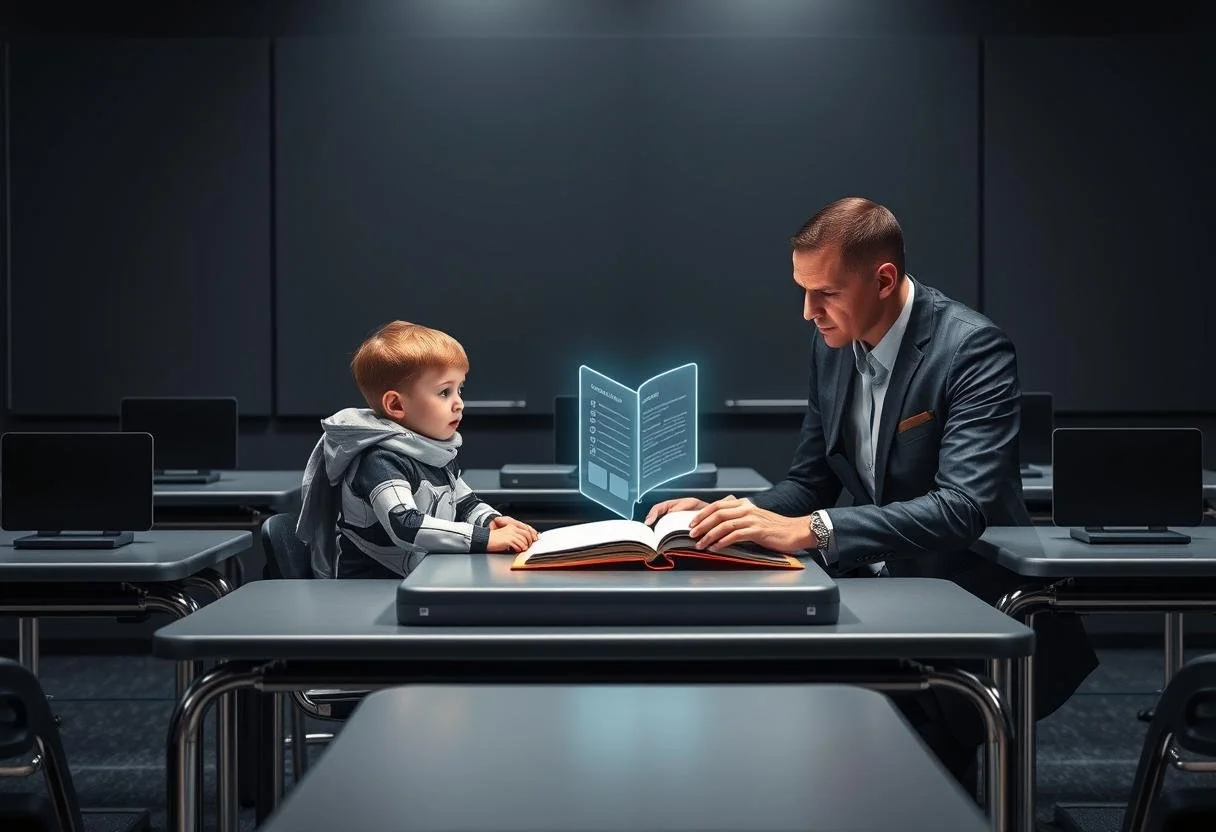
Students could use the system to optimize their focus during exams or high-intensity study sessions, while researchers could benefit from real-time mental health monitoring to avoid burnout during complex projects or long hours in the lab.
Case Studies:
Students
For students facing high-pressure situations, such as exams or intense study periods, the system could monitor stress and provide real-time feedback to optimize focus. The AI-enhanced system could suggest relaxation exercises or short breaks to improve learning outcomes.
Researchers
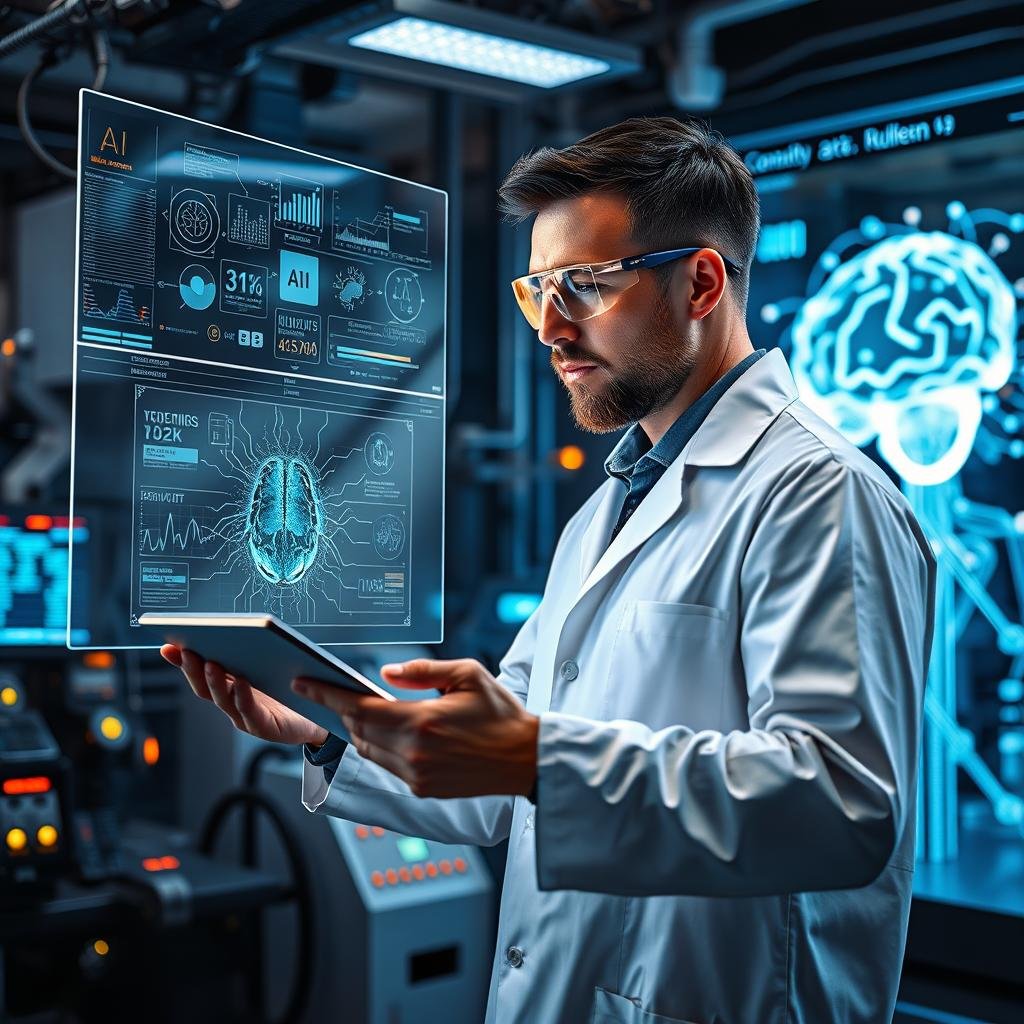
Researchers engaged in mentally demanding projects can benefit from continuous cognitive monitoring. The system could alert them to signs of burnout or fatigue, helping them maintain mental clarity during long hours of work in the lab. Personalized recommendations for mental relaxation could improve research productivity and the quality of scientific outputs.
-
Drone Operators
Monitoring the mental state of drone operators during missions can ensure they remain alert and focused. The AI-enhanced system could alert operators when they are mentally overloaded, suggesting cognitive breaks or strategies to maintain focus during high-pressure tasks.
Commanders in Combat
Real-time monitoring of battlefield commanders’ mental states could allow for improved decision-making under stress. The system can provide recommendations on mental rest during high-stakes operations, ensuring commanders remain sharp and effective in critical moments.
Full Capabilities for Mental Health Support
-
![]()
Real-Time Mental Health Monitoring
The system monitors brain activity and emotional states to detect signs of stress, anxiety, or other mental health conditions.
-
![]()
Personalized Recommendations for Stress Relief
The system provides personalized recommendations for stress reduction techniques, including mindfulness exercises, breathing exercises, and cognitive behavioral therapy.
-
![]()
Cognitive Rehabilitation for Illnesses
The system assists in cognitive rehabilitation programs for individuals recovering from physical or mental illnesses, helping them regain their cognitive abilities.
-
![]()
Stress Management Strategies
The system provides personalized stress management techniques, including breathing exercises, mindfulness practices, and cognitive behavioral therapy.
-
![]()
Improved Emotional Regulation
Users can track their emotional state and receive personalized recommendations for managing anxiety, anger, and other challenging emotions.
-
![]()
Enhanced Workplace Performance
By reducing stress and improving emotional well-being, individuals can maintain focus and productivity in demanding work environments.
-
![]()
Managing Stress and Anxiety
The system can detect stress levels and provide personalized strategies for managing anxiety in high-pressure workplaces.
-
![]()
Medication Adherence Support
Individuals can receive reminders and encouragement for medication adherence, improving treatment outcomes and reducing relapse risk.
-
![]()
Neurostimulation for Severe Conditions
The system can guide non-invasive brain stimulation techniques for treatment-resistant mental health conditions, aiding in symptom reduction and improving quality of life.
-
![]()
Brain Health Monitoring
The AI system monitors brain activity to detect early signs of cognitive decline, including memory loss and difficulty with thinking.
-
![]()
Personalized Intervention
Based on the detected signs of decline, the system recommends personalized interventions to prevent further deterioration and maintain cognitive function.
-
![]()
Cognitive Training Programs
The system offers tailored cognitive training programs designed to enhance memory, attention, and processing speed.
-
![]()
Parent-Child Interactions
The AI system can provide personalized recommendations for improving parent-child communication and fostering healthy behaviors.
-
![]()
Peer Relationships
It can help young people navigate social challenges and develop healthy relationships with their peers.
-
![]()
School Performance
The system can provide tailored strategies for improving academic performance and building positive learning habits.
-
![]()
Emotional Regulation
It can support children and adolescents in developing healthy emotional regulation skills, such as managing anxiety and anger.